Synthopia vs Holo AI
Both start from your website. Holo generates in your style; Synthopia builds from your real photos.
Holo's pitch is genuinely clever: paste your URL, it reads your site, learns your colours, tone and positioning, and generates ads, posts and emails that feel closer to your brand than a blank-prompt tool ever manages. Synthopia also starts from a link, your website or Instagram, so the difference is not where the two tools start. It is what they do with the photographs they find there. Holo generates creatives in your brand's style. Synthopia keeps your real product photos as references the engine must honour and builds the campaign around them, and you can add this week's product at any time. That gap decides which tool you want. (Note: Holo at tryholo.ai is a different product from HoloAI the fiction-writing tool; this page is about the marketing one.)
Side by side
| Synthopia | Holo AI | |
|---|---|---|
| What the AI learns from | Your website or Instagram: photos, logo, colours and tone of voice, plus any photos you add | A crawl of your website: palette, tone, positioning |
| Where the visual comes from | Composed around your real product photos, never reinvented | Generated creatives in your brand's style |
| What one request returns | A campaign: posts, reels, Meta ads and UGC videos, cut for the channels you pick | Ad variations, social posts and emails, generated per request |
| Email marketing | None | Email sequences and campaigns included |
| Volume per dollar | 400 credits on Spark: a month of finished pieces, not hundreds of variants | 200 creatives/month on Starter, 650 on Scale, at very low unit cost |
| Verticals | Food, fashion and consumer-product packs with their own rules | Any business, one horizontal engine |
| Entry price | $39 per month | $12/month on a sale (regular $20) |
| Try before you pay | Your first campaign is free, built from your own site at signup. Every plan comes with a 60-day money-back guarantee. | No free trial; 14-day money-back guarantee |
Holo AI pricing and features checked against their published pages on 2026-09-05. Their plans change; if something here is out of date, tell us and we will fix it.
What a website crawl learns, and what each tool does with it
Holo's Brand DNA idea works for the parts of a brand that live on a website: the palette, the typefaces, the way you describe yourself. If your site is good, Holo's output will look plausibly yours, and that is more than most generators manage. Synthopia reads the same kind of link, and the difference is what happens next. Holo generates in your style. Synthopia takes the product photos it finds, and any you add, as references it has to honour: the jacket from the new drop, the dish you plated an hour ago, the candle in this season's jar. If customers buy the style, generated is enough. If they buy the thing in the picture, it is not.
Cheap variations, or composed campaigns
Holo's published pricing, checked August 2026 during a 40 percent sale, is $12 a month for 200 creatives on Starter and $29 for 650 on Scale; budget against the regular $20 and $48, because sale pricing is sale pricing. Either way the unit economics are startling: pennies per creative, built for feeding ad platforms with volume. Synthopia spends its credits differently. A campaign is one composed set (reels, stills, a carousel, captions per channel) built to run together for an occasion. If your job is A/B-testing fifty ad variants a week, their model fits. If your job is a feed that holds together month after month, volume is not the thing you were missing.
Their price is lower, and here is when that should win
On list prices, Holo's Scale at $48 sits close to our Spark at $39, but Starter at $20 regular undercuts everything we sell. For a brand that mostly runs paid ads, whose site already represents it well, and whose product does not need to look like itself in every frame (a service business, an app, an info product), Holo at that price is a fair buy and we would be inventing reasons to say otherwise. You also get email campaigns in the same tool, which we simply do not make.
Why we refuse the thing they sell
Synthopia will not generate your product. The product in every frame comes from your real photos, pulled from your site or added by you, written up in a voice learned from you, under per-vertical rules: a food pack that knows a dish must never be invented, a fashion pack that knows fabric has to look like your fabric. The one generated person Synthopia makes is the creator in a UGC video, shown with your real product and labelled as AI by default. That refusal costs us the volume game Holo plays well. It buys the thing a consumer brand actually needs: that a customer who saw the picture finds exactly what was promised. See how that works in practice at /features/real-not-imaginary.
Pick Holo AI if
- Your website already represents the brand well and style-matched output is enough
- You need high volumes of inexpensive ad variations for paid campaigns
- You want email marketing generated in the same tool
- You run several small brands and $29 covering five of them is the point
- Your product is digital or service-shaped, so no photo has to match reality
Pick Synthopia if
- Customers buy the thing in the picture, so the picture has to be the real thing
- You want one brief to return a campaign across your channels, reels and UGC videos included
- Your vertical has rules a horizontal engine misses: food, fashion, product
- You want to judge finished output on your own photos before paying, which the free first campaign is for
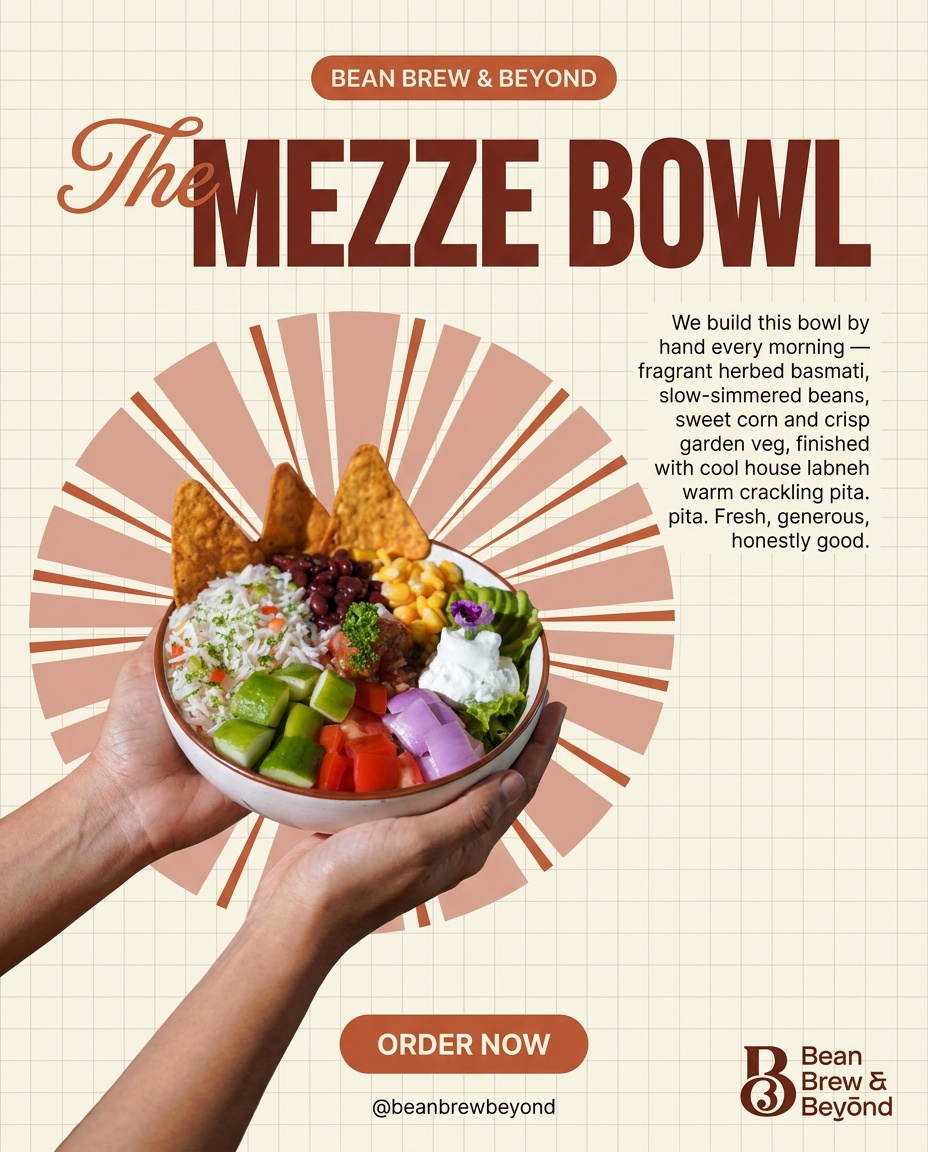
What comes back from one brief



Questions
Is Holo AI the same as HoloAI the writing tool?
No. Holo at tryholo.ai is the AI marketing tool this page compares: ads, posts and emails from a crawl of your site. HoloAI is an unrelated AI fiction-writing product. If you searched 'holo ai' you may have been looking at either.
Does Holo use my real product photos?
Holo's engine learns from your website and generates creatives in your brand's style; it is built around generation, not around honouring supplied photographs. Synthopia reads your website too, but keeps your product photos as hard references, so the product is never invented. The only generated person it makes is the creator in a UGC video, labelled as AI by default.
Which is cheaper?
Holo, at list. Its Starter is $20 a month regular ($12 on the sale running when we checked) against our $39. If price is the binding constraint and generated style-matched visuals are acceptable for your product, Holo wins that argument and this page says so plainly.
Can I try both before deciding?
Yes, and you should. Your first campaign is free, built from your own site at signup. Put it next to Holo's generated set and judge which one your customers should see. Holo offers a 14-day money-back guarantee rather than a free tier, per its pricing page; every Synthopia plan has a 60-day one.
Other comparisons
Settle it with your own dishes.
Upload a few photos, brief one occasion, and judge what comes back. 60 free credits, no card, and nothing on the plate that you did not cook.
Get started